
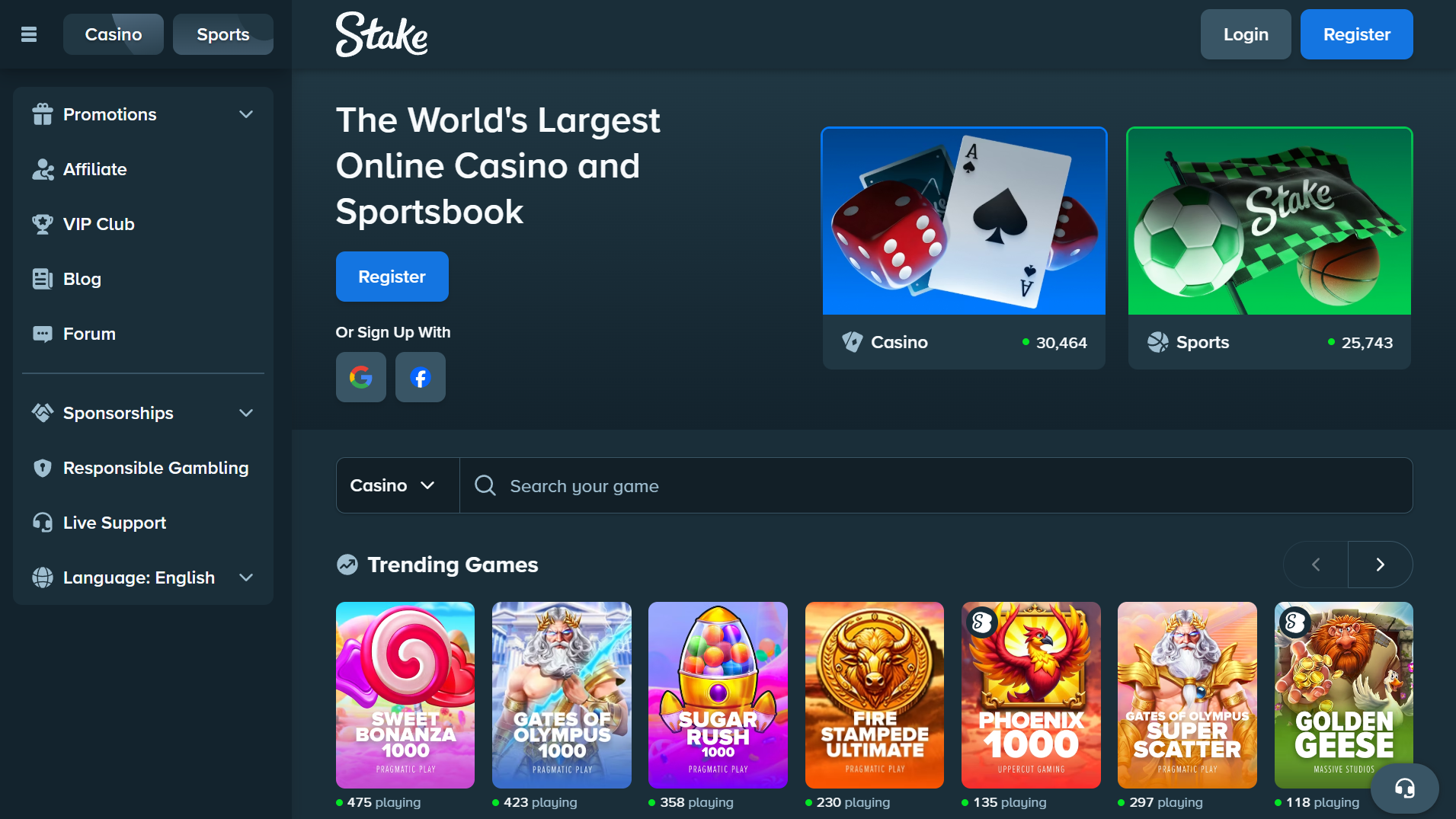
The application within the stake casino platform serves as an independent infrastructure (Standalone Format) aimed at building familiarity and continuity of use. When users decide to access services via the application format, they are not just opening a webpage; they are entering software optimized to extract the maximum potential of the smartphone’s processor. The true objective is to create a Distraction-free Channel, eliminating the address bar or navigation menus of third-party browsers, allowing users to focus entirely on core activities, whether analyzing probability statistics or evaluating market volatility with maximum concentration.
Value of the Application for Mobile Users
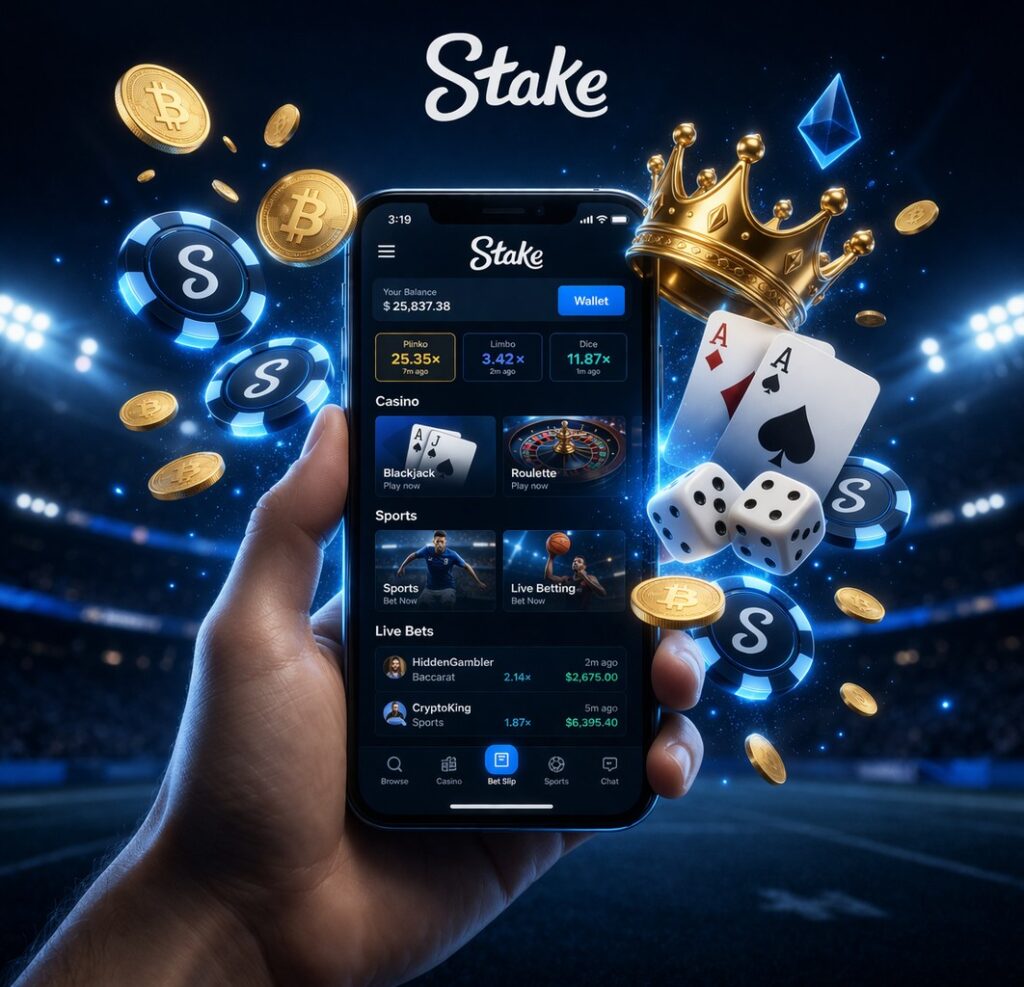
When applying consumer behavior theory to analyze the Empirical Value of the application for the demographic that relies on smartphones as their primary device, we find that speed and convenience are the independent variables with the highest influence on satisfaction. In contemporary lifestyles where every second has value, users demand access to their data portfolios using the least possible physical and cognitive effort.
A crucial value is its Seamless Integration into Daily Life. For consumers in emerging economic markets with extremely high mobile internet penetration rates, such as within the context of the stake casino india user base, the smartphone acts as the central hub for transactions and leisure. The application saves them from opening a browser, typing a website address, or waiting for redundant visual resources to load.
With just a single touch on the screen, they can instantly access databases, live sports events, or statistical tables. This microsecond-level speed is of paramount importance, especially when users need to make decisions based on real-time fluctuating data. The convenience of smoothly transitioning between different categories is what sustainably builds System Loyalty.
Stake Live Casino



















The Intuitiveness of Application Navigation
In the field of Human-Computer Interaction, Intuitiveness refers to a system’s ability to let users immediately know what to do next without relying on complex thought processes or reading a user manual. Navigation within the system is built upon Fitts’s Law, which states that the time required to rapidly move to a target area is a function of the ratio between the distance to the target and the width of the target. Consequently, the main menu bar and critical command buttons are positioned in the Thumb Zone, where they are most easily accessible by the thumb.
The Information Architecture is designed to prevent Information Overload. Users can logically locate the most important functions. For example, the casino category, sports forecasting category, personal profile window, cashier system for financial resource management, and support contact channels are all systematically arranged. The use of universal Icons and the grouping of related menus reduce Cognitive Load, transforming a seemingly complex structure into something new users can understand and memorize within their very first session.
Personal Account Usage Within the App
The Personal Account acts as an individual’s Command Center. Interaction with the personal account within the application is designed to provide a sense of Psychological Ownership and maximum security. After a successful login, the interface serves as a personalized dashboard that clearly presents current status information, such as available balances, recent transaction history, and the progress of various benefits.
The account management process is made straightforward and transparent. Users can open the cashier window to copy their digital wallet address for resource transfers or quickly check blockchain confirmation statuses. Furthermore, managing privacy settings, language display preferences, or advanced security systems can be completed entirely within the single application without needing to switch back to the desktop web version. Centralizing these functions into a single interface not only saves time but also empowers users to efficiently monitor their financial status and personal statistics, building confidence in managing their own data.
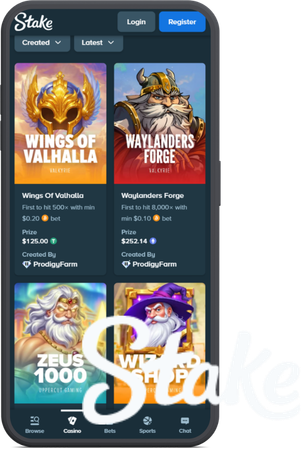
Centralizing these functions into a single interface not only saves time but also empowers users to efficiently monitor their financial status and personal statistics, building confidence in managing their own data.
Stake Slot Machine Section

















Perceptible Differences Between the App and Mobile Website
Although the underlying display technology on smartphones is similar, the differences in Psychological Perception and the Aesthetics of Use between an application and a mobile website are significantly distinct. To provide an analytical overview, I have prepared a comparison table detailing the differences in sensation and behavioral efficiency:
| Dimension of Comparison | Mobile Browser Experience | App Experience |
| Screen Real Estate | Disrupted by URL Bar and browser menus, reducing data display area | Full-screen immersion, completely eliminating visual distractions |
| Perceived Latency | May feel lag from reloading webpages in some categories or from browser cache operations | Provides instantaneous feedback; window switching is as fluid as native software |
| Session Retention | Users may need to log in frequently if tabs are closed or browser sessions expire | Maintains long and stable login sessions, supporting smartphone biometric unlocking |
| Engagement and Aesthetics | Feels like “visiting” a public website | Feels like a “private space” specifically tailored for the user, increasing immersion |
These differences are not born of technological magic, but rather superior System Resource Management. When users execute a stake casino app download via the Add to Home Screen PWA process, they are creating a shortcut that allows the software to operate using the browser’s engine at peak efficiency, without the burden of loading the browser’s own user interface. This makes the Tempo of Interaction much more concise and aggressive.
Platform Original Games (Stake Originals)













Which User Groups Might Prefer This Application the Most
Market Segmentation analysis helps us understand which consumer groups this application software answers best. Statistically and behaviorally, users who show a propensity to adopt the application as their primary channel typically fall into these three categories:

- Active Mobile-First Users: This group utilizes the smartphone as their primary device for connecting to the digital world. They might not own a personal computer or choose not to use one for leisure. Their expectation is that all systems must conclude within a 6-inch screen. An application capable of operating perfectly without relying on a mouse or keyboard is therefore an undeniable choice for them.
- High-Frequency Observers: For those monitoring sports forecasting market movements or needing to access their accounts consistently to check various statuses, accessing via the application saves an immense amount of time. They require the ability to unlock the screen, check data, and lock the screen in under a minute, which is a speed metric the application handles far better than typing a web address into a browser.
- Novice Users Seeking Simplicity: The belief that applications are only for experts is a fallacy. In reality, the framed and strictly bounded structure of an application reduces confusion for beginners. They do not have to worry about accidentally closing a tab or getting lost in other browser windows. Having a clear icon on the home screen provides peace of mind and allows them to switch to desired categories with confidence.
Frequently Asked Questions (FAQ)
In the final section of this academic analysis, we will address empirical inquiries frequently encountered among researchers and beginners studying the platform’s structure, referencing actual technological workflows ranging from download processes to operating system constraints.